
Prosthetics in Chicago

Losing a limb changes everything — how you move, how you plan your day, how you think about the future. The right prosthetic doesn’t give you back exactly what you had, but it gets closer than most people expect. At Braceman P&O, we’ve been fitting prosthetics in Chicago for over 25 years. Every patient we see is at a different point in that process — some are newly amputated, some are replacing an old device that no longer fits, some are looking for something more advanced. We meet people where they are.

This page covers the prosthetics we fit, who we see, what the process looks like.

More than 10k patients served for insoles for flat feet in Chicago
Patients
0 k+
25+ Years of experience in orthotocs and prosthetics in USA
Years
0 +
Insurance covered for orthotics and prosthetics clinic in Chicago
Insurances
0 +
orthotics and prosthetics clinic in Chicago
Professionals
0 +
Website Appointment Form
Prosthetics in Chicago fitted by Experts

Prosthetics We Fit in Chicago

We fit prosthetics in Chicago for both upper and lower limb amputations across a full range of levels and activity needs. What's right depends on your amputation level, your lifestyle, your goals, and your overall health — not a one-size approach.

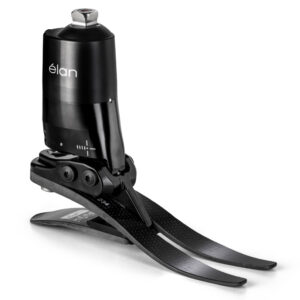
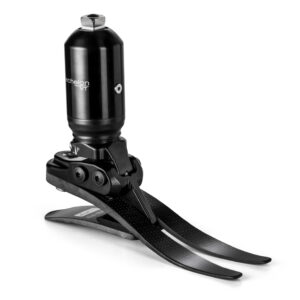
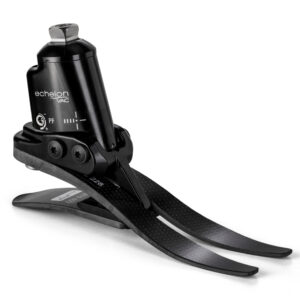
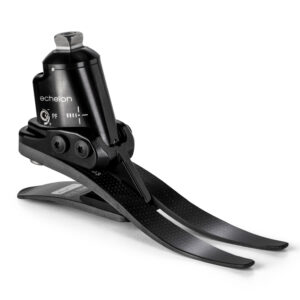
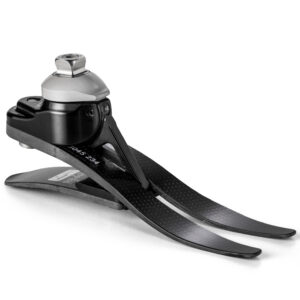
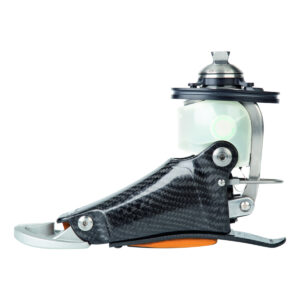
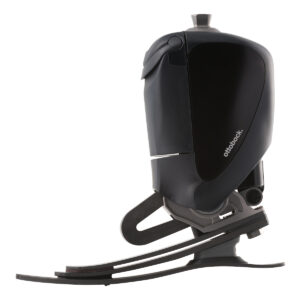
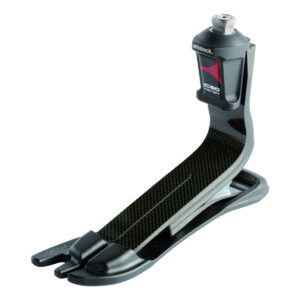
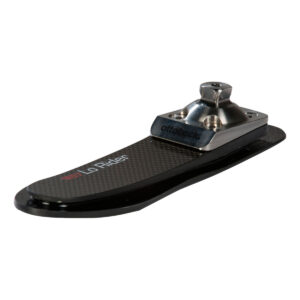
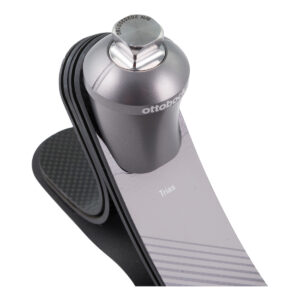
Lower limb prosthetics are the most common. We fit prosthetics for:

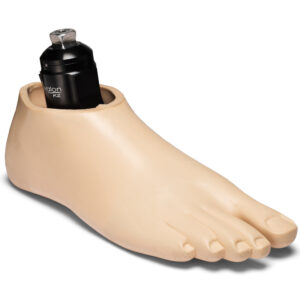
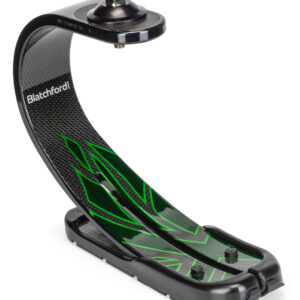
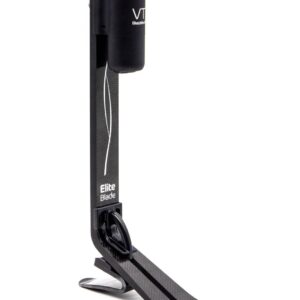
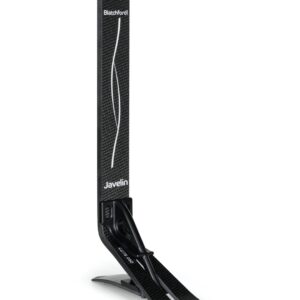
Transtibial (below-knee) amputation — the most common amputation level. A well-fitted below-knee prosthetic restores walking mechanics more completely than almost any other level, and most patients return to full daily activity with the right device and rehabilitation.

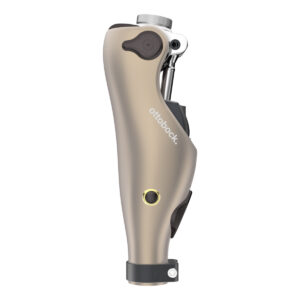
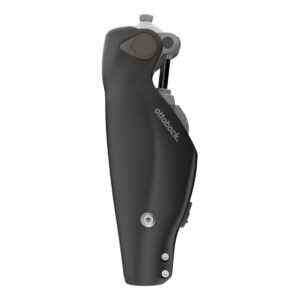
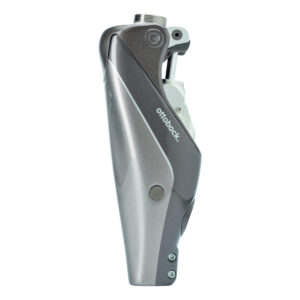
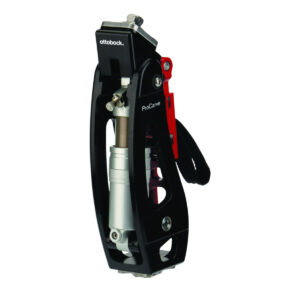
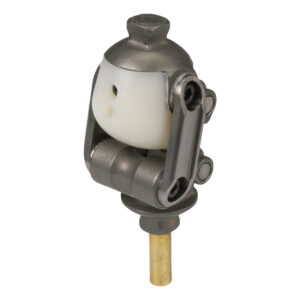
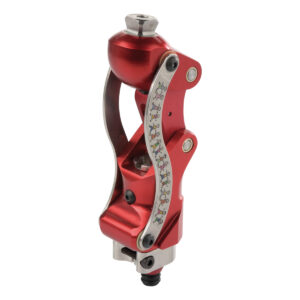
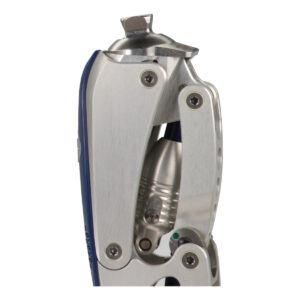
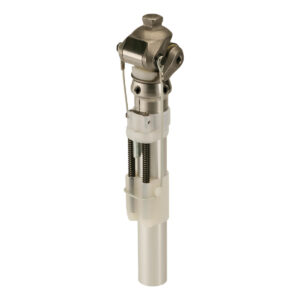
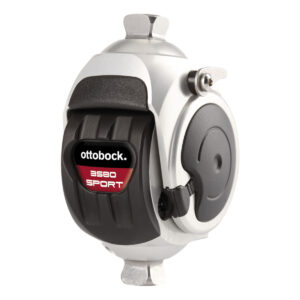
Transfemoral (above-knee) amputation — requires a prosthetic knee joint in addition to the socket and foot. Microprocessor knees, mechanical polycentric knees, and hydraulic systems each suit different activity levels — we prescribe based on your K-level classification and your goals.

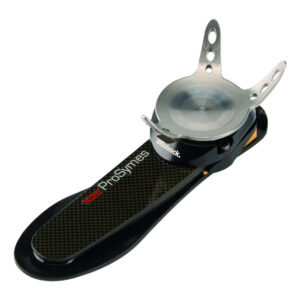
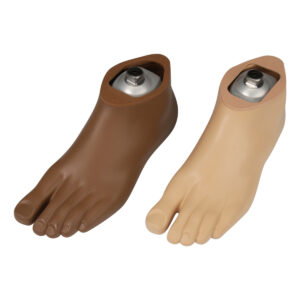
Partial foot and Syme's amputation — prosthetic options at the foot and ankle level that preserve as much of the natural limb as possible while restoring push-off and stability.

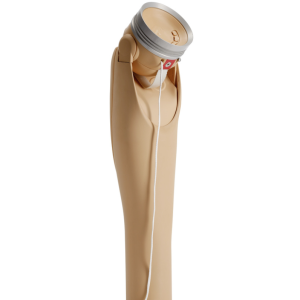
Hip disarticulation and transpelvic amputation — complex levels requiring highly individualised fitting. We have experience fitting at these levels and work closely with your surgical and rehabilitation team.

Upper limb prosthetics require a different kind of prescription and fitting — function varies enormously depending on what you need the limb to do day to day.

Transradial (below-elbow) and transhumeral (above-elbow) prosthetics

Body-powered prosthetics — cable-controlled hooks and hands that are durable, reliable, and require no battery

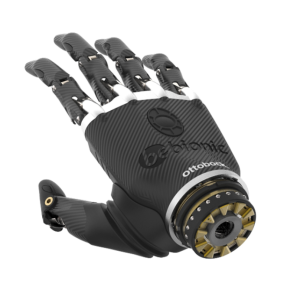
Myoelectric prosthetics — electrically powered devices controlled by muscle signals from the residual limb, with articulating fingers and multiple grip patterns

Activity-specific terminal devices — for work, sport, or specific tasks where a general-purpose hand isn't the best tool

More Than 20k Patients Have Trusted Our Prosthetics Team

Our prosthetics team in Chicago fits lower limb and upper limb prosthetics for below-knee, above-knee, partial foot, Syme’s, and upper extremity amputations. ABC-certified prosthetists, 25+ years experience, most major insurances accepted.

How It Works

Initial consultation

we review your amputation history, current health, activity level, work and home demands, and what you want to be able to do. We also look at the residual limb — its shape, skin condition, volume stability, and any areas that need attention before fitting begins.

Prescription and goal setting

based on your K-level classification and lifestyle goals, we prescribe the prosthetic components most appropriate for you. We explain the options, the trade-offs, and what the realistic outcomes look like.

Casting and check socket

we take a cast or 3D scan of the residual limb and fabricate a check socket — a test fit device — to trial the fit before the final prosthetic is made. Getting the socket right is the most important part of the process.

Definitive prosthetic fabrication

once the fit is confirmed, the final device is fabricated. Timeline depends on the components prescribed, typically 2–4 weeks.

Fitting and gait training

he final prosthetic is fitted, aligned, and adjusted. We observe your gait and work with you on walking mechanics. For new amputees, this often involves multiple appointments.

lower limb prosthetics in Chicago by doctors

Frequently Asked Questions

Have questions about prosthetics in Chicago? Below are answers to the most common questions about prosthetic fitting, types, Medicare coverage, timelines, and what to expect at your first appointment at Braceman P&O.

How soon after amputation can I be fitted for a prosthetic?

t depends on wound healing and residual limb volume stability. Most patients begin the prosthetic process 4–8 weeks post-surgery, once the wound is closed and the limb has started to mature. Some patients use a preparatory (temporary) prosthetic first while the limb continues to change shape.

How long does a prosthetic last?

Most prosthetic sockets last 3–5 years. Componentry varies — feet and knees may last longer depending on activity level and wear. Children’s prosthetics need replacing more frequently as they grow. Insurance typically covers replacement on a standard schedule.

Will I need physical therapy alongside my prosthetic fitting?

For most new amputees, yes — gait training with a physical therapist alongside prosthetic fitting significantly improves outcomes. We coordinate with PT teams and can provide referrals if needed.

Do you fit prosthetics for children?

Yes. Pediatric prosthetics require a different approach — children’s residual limbs grow, activity demands are different, and the fitting process needs to account for development over time. We have experience fitting pediatric patients and adjust our approach accordingly.