AFO Brace in Chicago

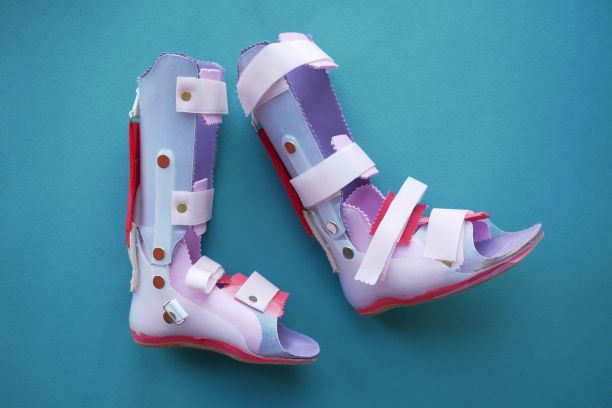
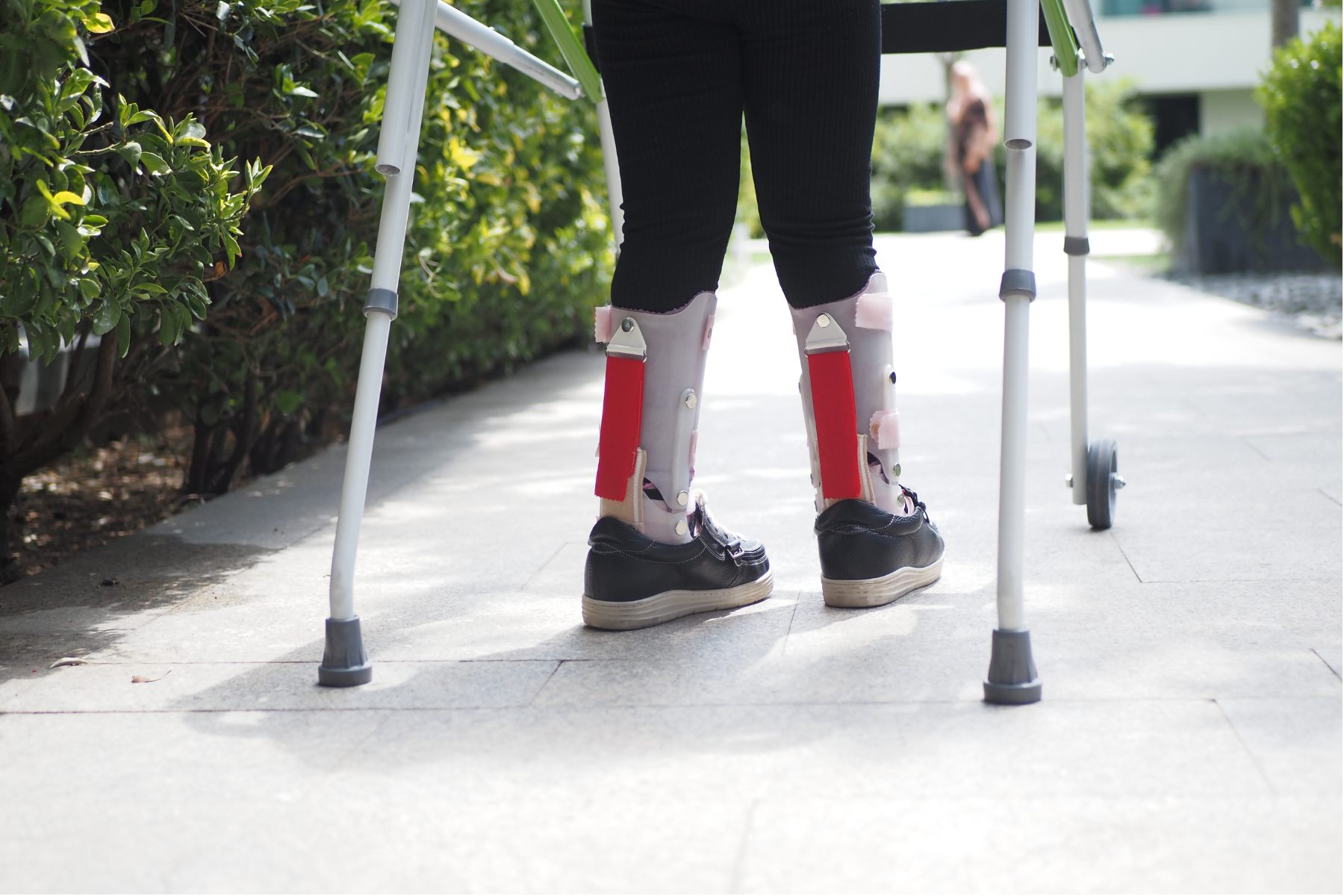
An AFO — ankle foot orthosis — is a brace that controls the ankle and foot when the muscles, tendons, or nerves can no longer do that reliably on their own. If you’ve been told you need one, or you’re researching options after a diagnosis, this page covers what to expect at Braceman P&O, which conditions we fit AFO braces for in Chicago, and how the process works from assessment to fitting.

More than 10k patients served for insoles for flat feet in Chicago
Patients
0 k+
25+ Years of experience in orthotocs and prosthetics in USA
Years
0 +
Insurance covered for orthotics and prosthetics clinic in Chicago
Insurances
0 +
orthotics and prosthetics clinic in Chicago
Professionals
0 +
Website Appointment Form

Conditions We Treat with AFO Braces in Chicago

Drop foot is the most common reason patients come to us for an AFO brace in Chicago. When the muscles that lift the front of the foot are weakened or paralyzed — from MS, stroke, spinal injury, or peroneal nerve damage — the foot drags or slaps the ground with every step. A custom AFO holds the foot at a safe angle and restores a more normal walking pattern.

Stroke rehabilitation often requires an AFO to stabilize the ankle during recovery. Weakness and spasticity after stroke affect gait in ways that vary significantly from patient to patient — which is why a custom-fitted AFO in Chicago almost always performs better than a prefabricated one.

Multiple sclerosis can cause progressive leg weakness and foot drop. An AFO doesn't treat the MS, but it stabilizes the ankle and reduces the fall risk that comes with uncontrolled foot movement.

Cerebral palsy in adults and children often involves spasticity that pulls the foot into abnormal positions. A custom AFO controls those positions, protects joint alignment, and makes walking safer and less fatiguing.

Peroneal nerve injury from knee surgery, trauma, or compression causes temporary or permanent drop foot. An AFO brace in Chicago provides functional support during recovery or long-term if nerve function doesn't return fully.

Severe ankle instability — from ligament damage, chronic sprains, or post-surgical weakness — sometimes needs an AFO rather than just a brace or orthotic when the instability is significant enough to cause falls or pain with every step.

Post-surgical recovery after ankle fusion, tendon repair, or fracture fixation may require a custom AFO to protect the repair during the return to weight-bearing activity.

More Than 20k Patients Have Trusted Our AFO Bracing

Our custom AFO braces in Chicago are prescribed for drop foot, stroke rehabilitation, multiple sclerosis, cerebral palsy, peroneal nerve injury, and post-surgical ankle recovery.

How It Works

History and diagnosis review

we go through your medical history, diagnosis, and any previous bracing

Gait assessment

we watch you walk to understand exactly what’s happening at the ankle and how it affects the rest of your gait

Physical exam

range of motion, muscle strength, spasticity, and skin condition are all assessed before prescribing an AFO

Casting or scanning

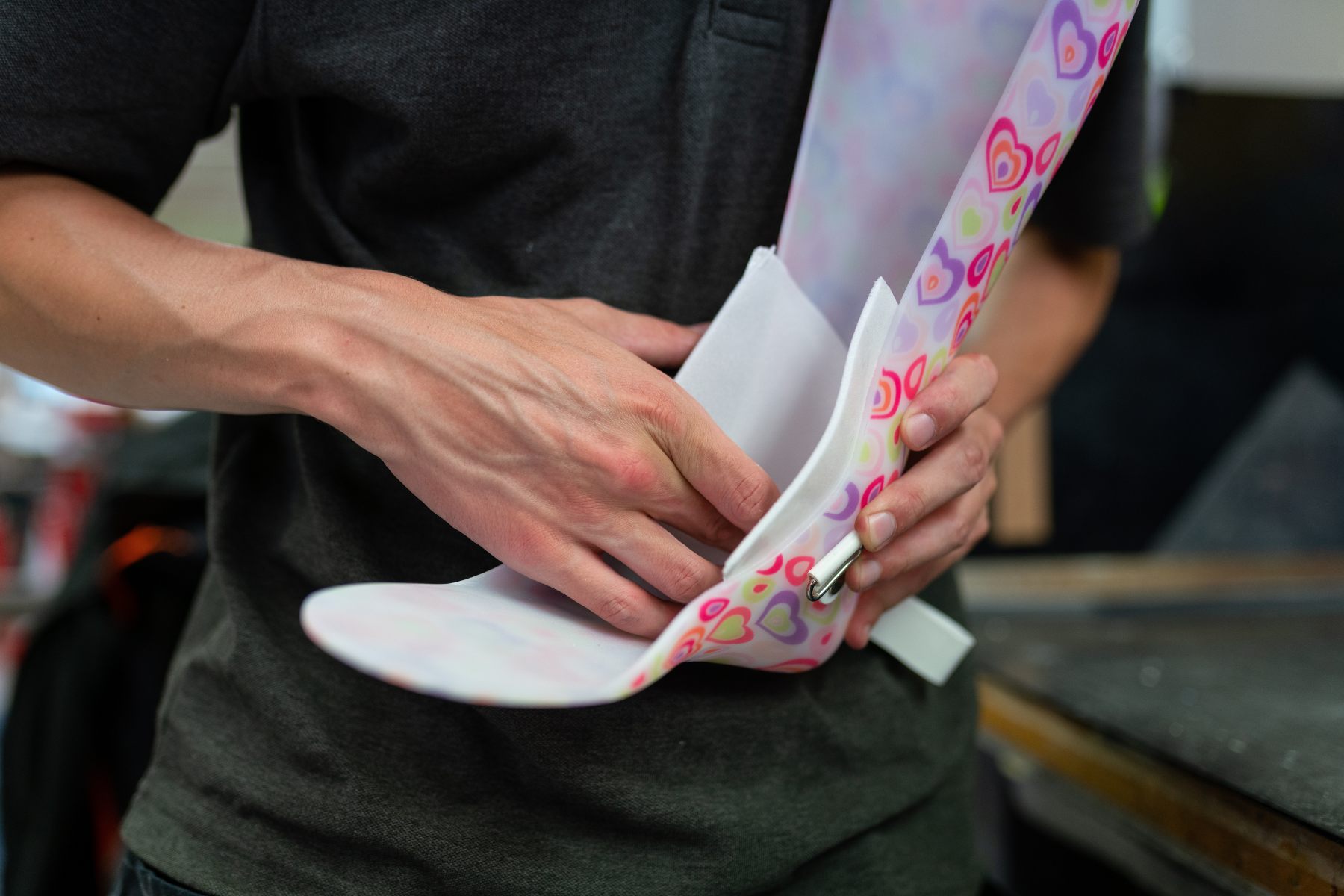
a custom AFO starts with a precise plaster cast or 3D scan of your lower leg and foot


Fitting and gait training

when the AFO arrives, we fit it, watch you walk in it, and adjust until the gait is right


AFO by specialists of more than 20 years

Frequently Asked Questions

Have questions about AFO braces in Chicago? Below are answers to the most common questions about ankle foot orthosis fitting, AFO types, insurance coverage, and what to expect at your Braceman P&O appointment.

How long does it take to get an AFO brace in Chicago?

From your assessment to picking up your finished AFO is typically 3–4 weeks — around 1 week for the assessment and casting appointment, and 2–3 weeks for fabrication.

Will my AFO fit inside regular shoes?

Most AFOs require a shoe that’s at least one full size larger than your normal size to accommodate the brace. We discuss shoe requirements at your assessment so you’re prepared before the AFO arrives.

Can I get a prefabricated AFO instead of custom?

Prefabricated AFOs are appropriate for some short-term or mild conditions. For neurological conditions, stroke rehab, and complex gait problems, a custom-fitted AFO almost always provides better outcomes. We’ll be upfront if prefab is a reasonable option for your case.

How long do AFO braces last?

A well-made custom AFO typically lasts 3–5 years with normal use. Children’s AFOs need replacing more frequently as they grow — often every 12–18 months.