Diabetic Shoes in Chicago

For people living with diabetes, foot care isn’t optional — it’s one of the most important things you can do to avoid serious complications down the line. The right footwear is a big part of that. Diabetic shoes are not just wider or softer versions of regular shoes. They’re medical devices, prescribed to protect feet that can no longer fully protect themselves.

At Braceman P&O, we’ve been fitting diabetic shoes in Chicago for over 25 years. We’re Medicare-certified suppliers, and we handle the paperwork. If you have diabetes and haven’t been fitted for therapeutic footwear yet, this page explains why it matters and what to expect when you come in.

More than 10k patients served for insoles for flat feet in Chicago
Patients
0 k+
25+ Years of experience in orthotocs and prosthetics in USA
Years
0 +
Insurance covered for orthotics and prosthetics clinic in Chicago
Insurances
0 +
orthotics and prosthetics clinic in Chicago
Professionals
0 +
Website Appointment Form
Diabetic shoes Chicago fitted by licensed professionals

Why Diabetic Shoes Are a Medical Necessity

Diabetes affects the feet in two specific ways that make ordinary footwear dangerous over time.

Peripheral neuropathy — nerve damage from chronically elevated blood sugar — reduces or eliminates protective sensation in the feet. You can't feel a blister forming, a seam rubbing, or a pressure point building into an ulcer. By the time you notice something is wrong, the skin may already be broken.

Poor circulation from diabetes slows healing dramatically. A small sore that a non-diabetic person heals in days can take weeks for someone with diabetes — and in that time, infection can set in. Diabetic foot ulcers are the leading cause of non-traumatic lower limb amputations in the United States.

Diabetic shoes address both problems. They're built with extra depth to accommodate custom insoles and swollen feet, seamless or minimal-seam interiors to eliminate friction points, and materials that reduce pressure concentration. Worn consistently, they significantly reduce the risk of ulcers, blisters, and the cascade of complications that follow.

Who Needs Diabetic Shoes in Chicago

You should consider a diabetic shoe fitting if you:

If you have been diagnosed with Type 1 or Type 2 diabetes. You experience peripheral neuropathy or reduced sensation in your feet. You have a history of foot ulcers, calluses, or pressure sores. Have Charcot foot, bunions, hammertoes, or other foot deformities. People with poor circulation in their lower legs and feet should also consider diabetic shoes. Have had a partial foot amputation.

If you have diabetes and have never been fitted for therapeutic footwear, your Medicare plan almost certainly covers it — and most patients don't know that until they ask.

More Than 20k Patients Have Trusted Our Diabetic Shoe Fitting

Our diabetic shoes in Chicago are fitted for patients with Type 1 and Type 2 diabetes, peripheral neuropathy, poor circulation, foot ulcers, Charcot foot, and partial amputations. Medicare-certified supplier. Most patients pay nothing out of pocket.

How It Works

Medical history and diabetes review

we go through your diabetes history, current foot symptoms, any previous ulcers or wounds, and your physician’s prescription if you have one. If you don’t have a prescription yet, we can coordinate with your doctor directly.

Foot assessment

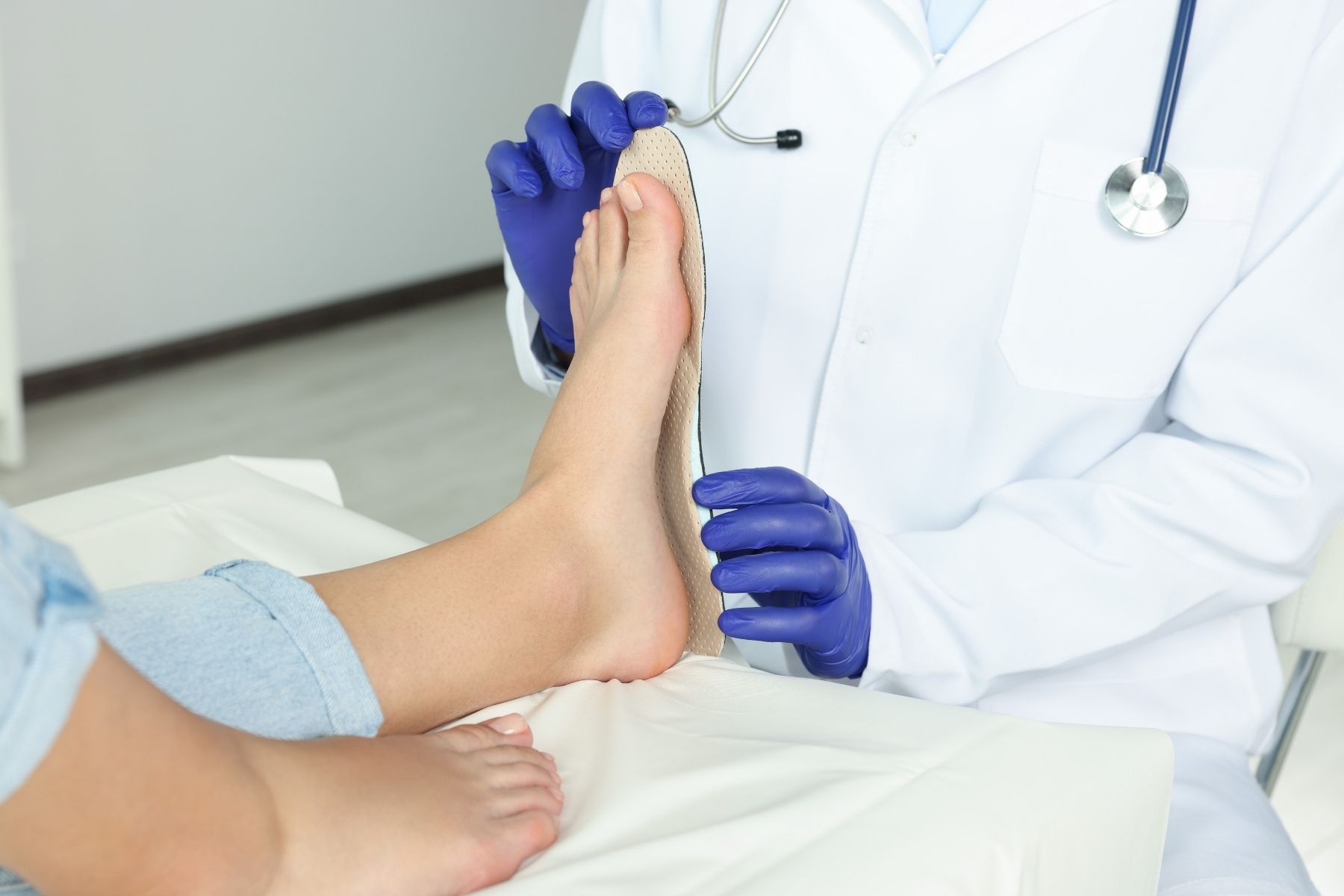
we examine your feet for sensation, circulation, pressure points, deformities, and skin condition. This determines the shoe type and insole design that’s right for your feet.

Measurement and fitting

we measure both feet (they’re often different sizes) and fit you across several styles to find what works best for your foot shape and condition.

Insole fitting

custom insoles are fitted and adjusted inside the shoe before you leave.

Education

we go through how to wear and inspect your feet daily, what warning signs to watch for, and when to come back for a check.


Medical Shoes in Chicago fitted by experts
Plantar Fasciitis Treatment in Chicago by licensed Experts

Frequently Asked Questions

Have questions about diabetic shoes in Chicago? Below are answers to the most common questions about Medicare coverage, fitting, custom insoles, and how the process works at Braceman P&O.

Does Medicare cover diabetic shoes every year?

Yes — Medicare Part B covers one pair of diabetic shoes and up to three pairs of custom insoles per calendar year for qualifying beneficiaries. Your eligibility resets on January 1st each year.

How long does it take to get diabetic shoes in chicago?

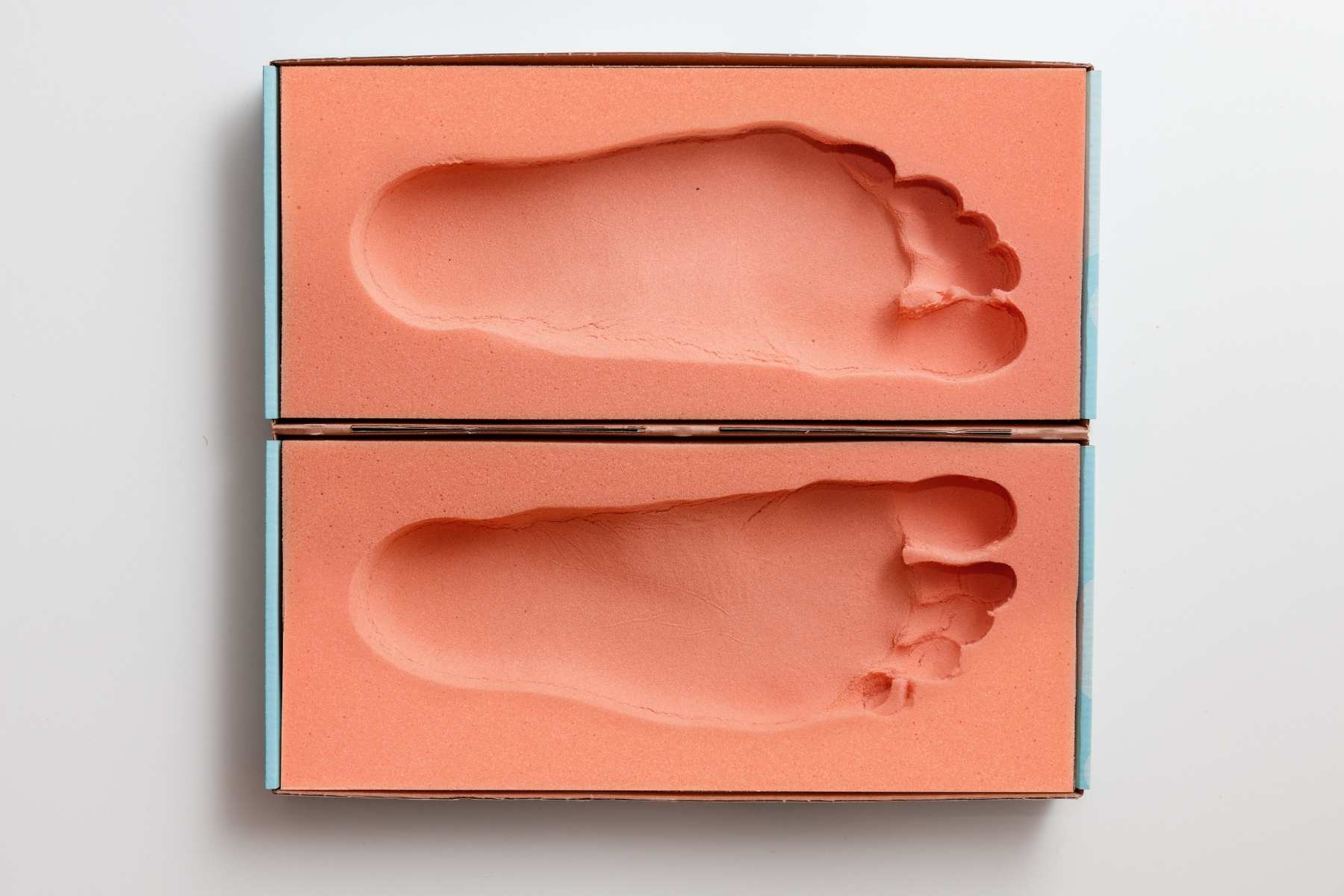
Standard extra-depth shoes can usually be fitted and dispensed in one appointment. Custom-molded shoes take 2–3 weeks for fabrication after casting.

My feet are different sizes — is that a problem?

Not at all. We measure and fit both feet separately. Asymmetric feet are common among diabetic patients and are a standard part of what we accommodate.

Do I need my doctor to refer me to Braceman P&O?

You need a prescription from your treating physician, but you can choose any Medicare-certified supplier for fitting. You don’t need a referral to contact us first — we can help you get the prescription coordinated.